 tea.ceo
 Afternoon tea or high tea? The difference, and the times
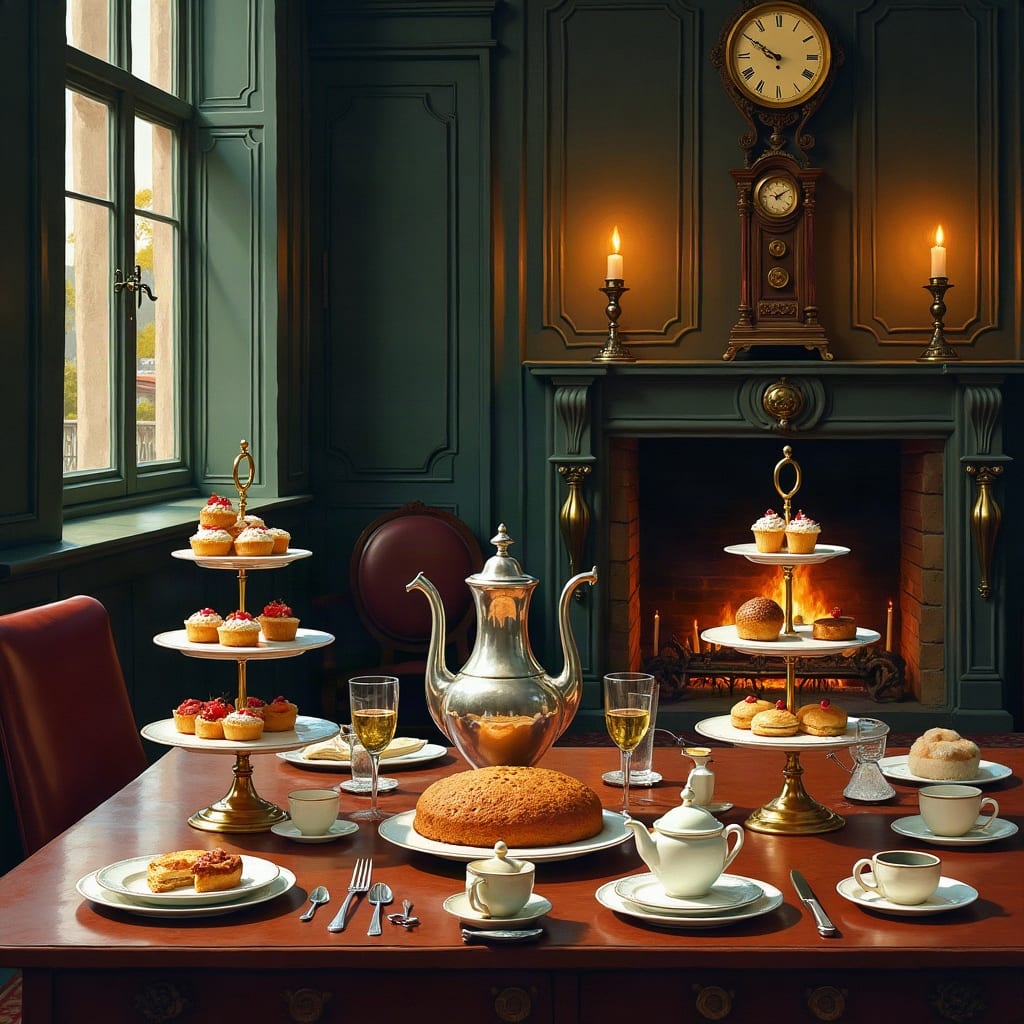
They sound like two versions of the same thing, and a great many hotel menus treat them that way. They are not. One is a small, rather elegant meal taken in the middle of the afternoon; the other is supper.
Afternoon tea
Taken at about four o'clock, though anything between half past three and five will pass. Tea — usually a black tea, sometimes a Darjeeling or an Earl Grey — with finger sandwiches (cucumber is the classic), scones with clotted cream and jam, and small cakes, often served on a tiered stand.
The custom is credited to Anna Maria Russell, the seventh Duchess of Bedford, around 1840. Gas lighting and the habits of the town had pushed the fashionable dinner hour towards nine o'clock, with luncheon at midday, and the afternoon was very long indeed. The Duchess, as the food historian Tasha Marks tells it for the British Museum, complained of a sinking feeling at about five, and asked for tea, bread and butter and cake to be brought to her room. Friends were invited; society followed. It is a story told so often that it is difficult to check, and historians treat the detail with some caution. The general shape of it — a later dinner making room for an afternoon meal — is not in dispute.
High tea
Taken at about six o'clock, and a different meal altogether. High tea was the evening meal of working families in the industrial towns and the countryside: something hot or substantial — meat, a pie, eggs, cheese — with bread and butter and a strong pot of tea, eaten at the table when the day's work was done. In much of the north of England and in Scotland, "tea" still simply means the evening meal, which is why "what's for tea?" can be a question about sausages.
The confusion comes from the word "high", which sounds grand. It was not. Somewhere along the way, hotels outside Britain began selling afternoon tea under the name "high tea", and the name stuck to the cake stand.
Cream tea
A pared-down afternoon tea from the West Country: a pot of tea, scones, clotted cream and jam, and nothing else. In Devon the cream goes on the scone first and the jam on top; in Cornwall it is the other way round. People hold views on this. National Cream Tea Day falls on the last Friday of June, which is as good a day as any to form one.
The rest of the British tea day
Afternoon tea and high tea are two fixtures in a longer day: early morning tea, breakfast tea, elevenses, a tea break in the afternoon, and a last cup before bed. The tea calendar counts down to each of them on your own clock, and will put them in your calendar if you would like reminding.
Afternoon tea or high tea? The difference, and the times: questions
What time is afternoon tea?
Traditionally about four o'clock in the afternoon; anywhere between half past three and five is usual.
What time is high tea?
About six o'clock in the evening. High tea was a working family's evening meal, not an afternoon one.
What is the difference between afternoon tea and high tea?
Afternoon tea is a light meal of sandwiches, scones and cake with tea at about four. High tea is a substantial evening meal — meat, pies or eggs, bread and butter and a strong pot of tea — at about six.
Source: Tasha Marks, The tea-rific history of Victorian afternoon tea, British Museum checked against the source
More tea guides
How to make a proper cup of tea
The British cup of tea, made properly: freshly drawn water at a full boil, three to five minutes for a strong black blend, and the milk question settled — or at least explained. With the Royal Society of Chemistry's method and the ISO standard for comparison.
How to brew black tea
Black tea wants water at or near a full boil and three to five minutes. How much leaf, how long for which tea, and when to reach for the milk — from Assam and Ceylon to Darjeeling and Earl Grey.
How to brew Darjeeling
Darjeeling is the black tea that rewards a little care: about 80°C and three minutes for the spring first flush, boiling water for the summer second. What the flushes are, how the gardens themselves brew them, and why the name is protected.