 tea.ceo
 How to brew tea
Every kind of tea, and the better-known teas within each: how hot the water, how long the steep, how much leaf. Where the growers disagree with one another, the page says so rather than picking a winner.
How to make a proper cup of tea
The British cup of tea, made properly: freshly drawn water at a full boil, three to five minutes for a strong black blend, and the milk question settled — or at least explained. With the Royal Society of Chemistry's method and the ISO standard for comparison.
Afternoon tea or high tea?
Afternoon tea is sandwiches, scones and cake at about four, invented by a duchess with time on her hands. High tea is a working family's evening meal at six. Hotels have spent decades muddling the two; here is which is which, and when each one is taken.
How to brew black tea
Black tea wants water at or near a full boil and three to five minutes. How much leaf, how long for which tea, and when to reach for the milk — from Assam and Ceylon to Darjeeling and Earl Grey.

How to brew Darjeeling
Darjeeling is the black tea that rewards a little care: about 80°C and three minutes for the spring first flush, boiling water for the summer second. What the flushes are, how the gardens themselves brew them, and why the name is protected.

How to make Earl Grey
Earl Grey is black tea scented with bergamot: freshly boiled water, three to four minutes, and not a second more. Milk or lemon, how to make a London Fog, and what is known — and what is merely told — about the Earl.
How to brew green tea
Green tea goes bitter for one reason above all: water that is too hot. Sixty-five to eighty degrees, a minute or three, and more leaf than you think — with the difference between Japanese and Chinese green teas.
How to brew sencha
Ippodo's method for sencha, Japan's everyday green tea: 10 grams of leaf, 210 ml of water at 80°C, one minute, and every last drop poured out. How to cool the water without a thermometer, and what shincha is.
How to make matcha
Matcha is green tea that is whisked rather than steeped. Ippodo's method for a bowl of usucha: 2 grams sifted, 60 ml of water at 80°C, fifteen seconds' brisk whisking. Thick koicha, a matcha latte, and the mistakes that make it lumpy or bitter.

How to brew Dragon Well
China's most celebrated green tea, from the hills around West Lake in Hangzhou, brewed the way the grower Mrs Li brews it at home: 4 to 5 grams in an open glass at 85 to 90°C, sipped and topped up all day. And why the tea picked before Qingming costs so much more.
How to brew oolong tea
Oolong wants hotter water than green tea — 85 to 95°C — and rewards being brewed again and again. A mugful the Western way, or the gongfu way: a lot of leaf, a small pot and steeps measured in seconds.
How to brew white tea
White tea is the least handled tea there is, and among the most forgiving to brew: 75 to 85°C, twice the usual leaf, and two or three minutes. Silver Needle, White Peony, and why aged white tea is a thing.
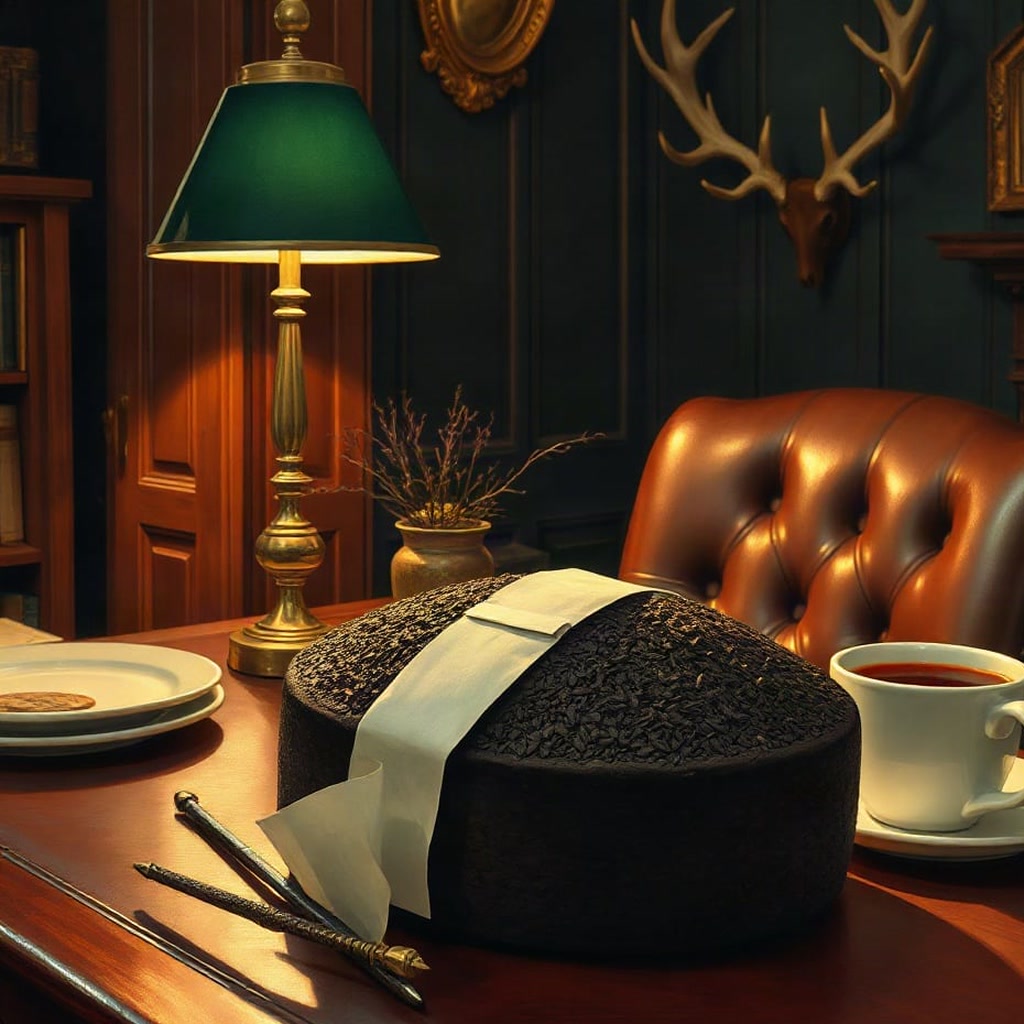
How to brew pu-erh
Pu-erh is Yunnan's aged and fermented tea, usually pressed into cakes. Lever off a piece, rinse it, and brew it in just-boiled water in short, repeated steeps — or in a mug, topped up all day. Raw (sheng) and ripe (shou), and how to tell them apart.
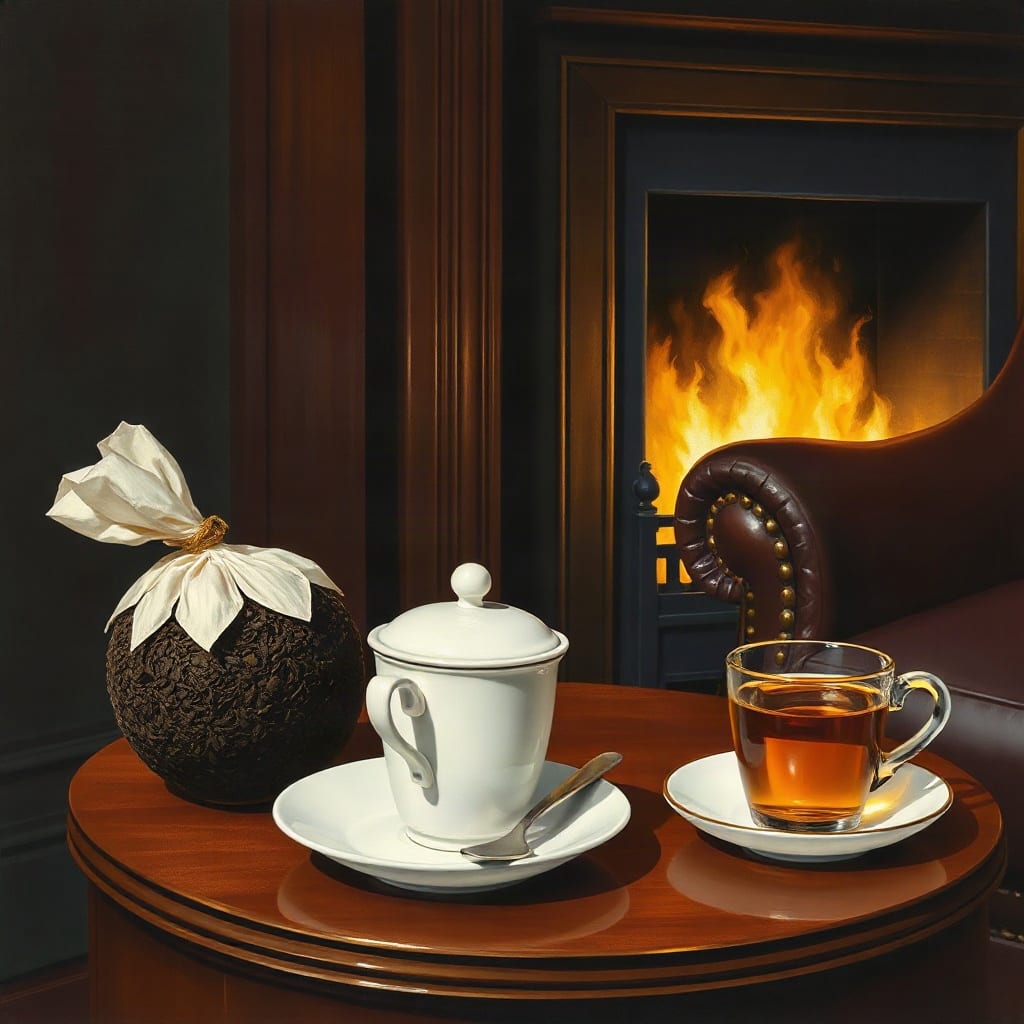
How to brew a pu-erh ball
A pu-erh tea ball is a single serving of raw tea pressed hard into a sphere — xiao qiu, a "small ball", in Chinese. Rinse it, give it a long first steep while it opens, then shorter ones: the water, ratios and times from the shops that sell them.
The story of 4:20 High Tea
Every tea time has its story, and this is the story of 4:20 High Tea: five gentlemen, three country estates, a map to a lost row of tea bushes and a code that would not go away. Then how to keep it — a second pot of tea at twenty past four.