 tea.ceo
How to brew hojicha
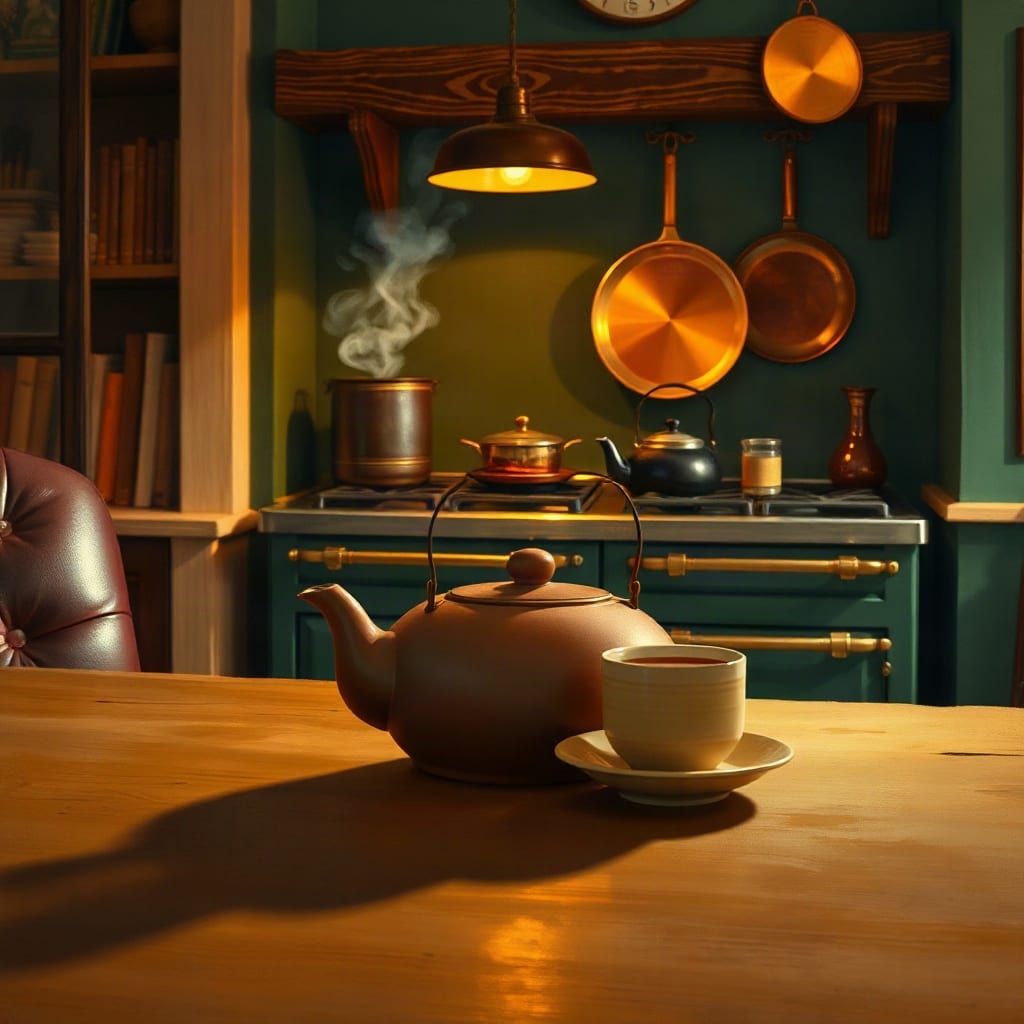
Everything you have read about green tea and gentle water does not apply here. Hojicha is bancha, the coarse late-season green leaf, roasted over heat until it turns brown and smells of toast. The roasting takes out most of the grassy notes and much of the caffeine, and what is left is best brought out by water as hot as it comes.
What you need
A teapot of ordinary size. 10 grams of hojicha, which because the roasted leaf is light and bulky is about four tablespoons. 240 millilitres of water, a large cupful. Hojicha leaf is often sold with stems in it; that is correct, and the stems are sweet.
The method
Bring the water to a full, vigorous boil; Ippodo is specific that it should be boiling hard, because the heat is what lifts the roasted aroma. Put the leaves in the pot, pour the boiling water over them so they are covered, and leave them 30 seconds without stirring. Pour out every last drop. Thirty seconds is short; the leaf is roasted and gives up its flavour at once, and a longer steep only darkens it.
What it should taste like
Toasty, nutty and a little sweet, with almost no astringency and a colour nearer coffee than green tea. If it is bitter, the steep ran long. If it is thin, the water was not boiling.
Second infusion
A second cup works with the same boiling water and about the same time. The roast flavour fades faster than the leaf's, so two infusions is the practical limit.
When to drink it
With food, after dinner, and in the evening: the roast has driven most of the caffeine out, and in Japan it is what children and the old drink and what restaurants pour free. It takes milk better than any other green tea, and Ippodo publishes a recipe for exactly that.
How to brew hojicha: questions
What temperature should hojicha be brewed at?
100°C, water at a vigorous boil. It is the one Japanese green tea that wants boiling water, because the leaf is roasted.
How long do you steep hojicha?
30 seconds in Ippodo's standard recipe, with 10 g of leaf to 240 ml of boiling water. Longer makes it darker and more bitter, not stronger.
Does hojicha have caffeine?
A little. It is made from late-season bancha, which is low in caffeine to begin with, and roasting reduces it further; it is the Japanese tea served in the evening and to children.
Source: Ippodo Tea, Standard Hojicha Brew checked against the source
More tea guides
How to brew jasmine tea
Jasmine tea is green tea scented with jasmine flowers, and it brews like a green tea: water at 85°C, two teaspoons of leaf to 240 ml, two to three minutes, then again. The Tao of Tea's Jasmine Pearls, hand-rolled spring buds from Hunan, give two or three good infusions.
How to brew gyokuro
Gyokuro is brewed almost nothing like other green tea: ten grams of leaf to eighty millilitres of water at 60°C for ninety seconds, undisturbed, and every drop poured out. Ippodo's standard recipe, how to hit 60°C without a thermometer, and what the second cup does.
How to brew genmaicha
Genmaicha is green tea with toasted brown rice in it, and it brews like hojicha rather than sencha: ten grams to 240 millilitres of boiling water for thirty seconds. Ippodo's standard recipe, what the rice is doing there, and why the popped grains are not a mistake.