 tea.ceo
 How to make matcha: usucha and koicha
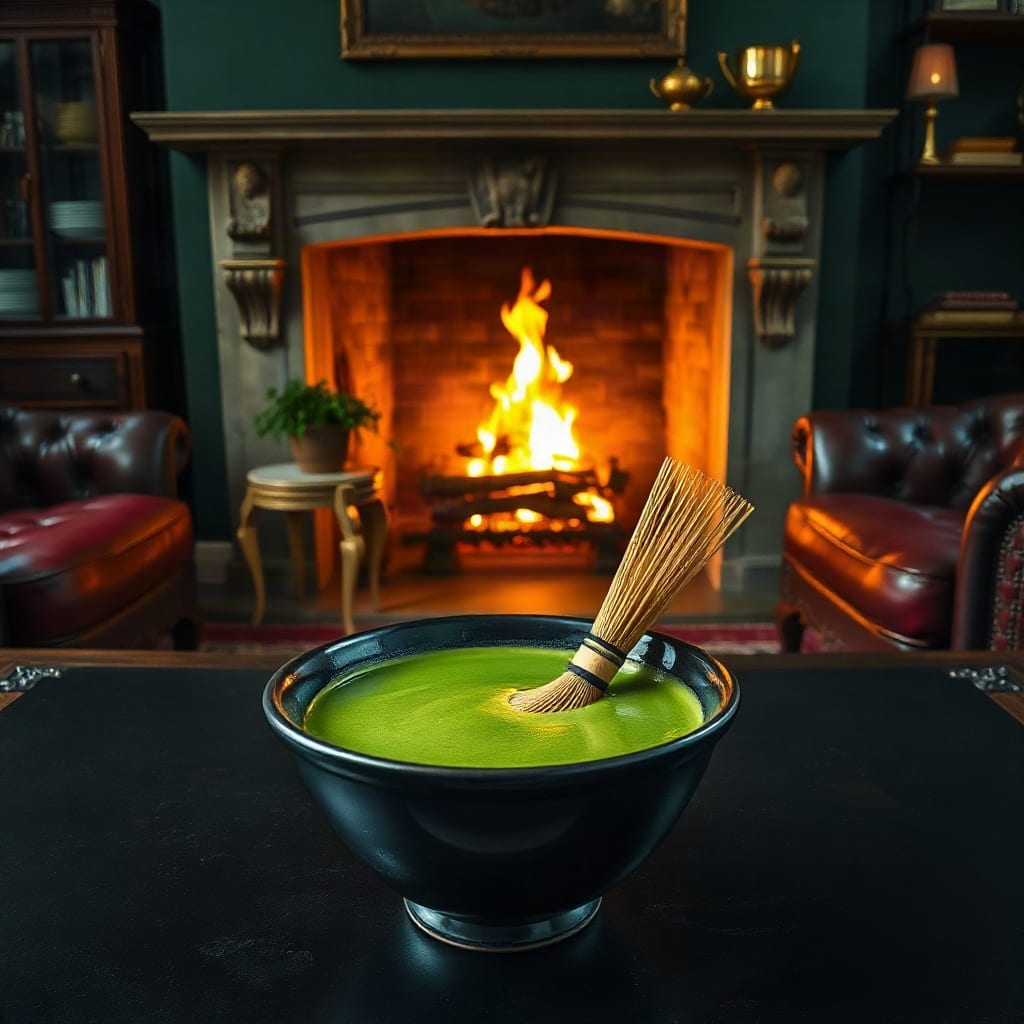
Matcha is green tea ground to a fine powder. The leaves are shaded for several weeks before picking, steamed, dried, stripped of stem and vein and stone-milled. You do not steep it and throw the leaves away; you whisk the whole leaf into the water and drink it — which is why it tastes as it does, and why a poor one is so very poor.
What you need
A bowl wide enough to whisk in, a bamboo whisk (a chasen), a small sieve, and water you can get to 80°C. A spoon and a milk frother will do at a pinch, though the result is not quite the same.
Usucha, thin matcha
This is Ippodo's method, and the everyday way to drink matcha.
1. Sift 2 grams of matcha into the bowl — about one level teaspoon, or one and a half heaped bamboo scoops. Sifting is the step people skip and the reason their matcha is lumpy.
2. Add 60 ml of water at 80°C. Boiling water poured into a cup and then into the bowl is about right.
3. Whisk briskly for about fifteen seconds, in a quick M shape from the wrist rather than round in circles, until the surface is covered in fine foam. Lift the whisk out from the centre.
4. Drink it at once. Matcha settles as it stands, and the foam goes first.
Koicha, thick matcha
The thick tea of the formal tea ceremony. Ippodo sifts 4 grams of matcha — two level teaspoons — into the bowl, adds just 30 ml of water at 80°C, enough to cover the powder, and mixes it slowly back and forth for about fifteen seconds rather than whisking it to a froth. Done properly it comes out about as thick as warm honey. Make it only with a high-grade matcha meant for koicha — a cheap one, made this thick, is a punishment.
A matcha latte
Ippodo's latte uses a little more matcha and a little more water: sift 3 grams into the bowl, add 100 ml of water at 80°C, whisk for fifteen seconds, then pour it into a mug with 100 ml of warm or frothed milk — or over cold milk and ice. Sweeten it if you like. A less costly matcha is perfectly respectable here; the milk covers its rough edges.
Why it goes wrong
Lumps: it was not sifted. Bitter: the water was too hot, or the matcha is a cooking grade, or old — Ippodo's shop gives its matcha's shelf life as, simply, "consume quickly"; keep it airtight, cool and out of the light. No foam: the whisking was circular, or too gentle.
How to make matcha: usucha and koicha: questions
How much matcha per cup?
For usucha, thin matcha, about 2 grams — one level teaspoon — to 60 ml of water. For koicha, thick matcha, 4 grams to 30 ml.
What temperature water for matcha?
About 80°C. Boiling water makes matcha bitter.
Why is my matcha lumpy?
It needs sifting. Push the powder through a small sieve into the bowl before adding water, then whisk in a quick M shape.
Source: Ippodo Tea, Usucha (Classic Matcha) checked against the source
More tea guides
How to brew green tea
Green tea goes bitter for one reason above all: water that is too hot. Sixty-five to eighty degrees, a minute or three, and more leaf than you think — with the difference between Japanese and Chinese green teas.
How to brew sencha
Ippodo's method for sencha, Japan's everyday green tea: 10 grams of leaf, 210 ml of water at 80°C, one minute, and every last drop poured out. How to cool the water without a thermometer, and what shincha is.

How to brew Dragon Well
China's most celebrated green tea, from the hills around West Lake in Hangzhou, brewed the way the grower Mrs Li brews it at home: 4 to 5 grams in an open glass at 85 to 90°C, sipped and topped up all day. And why the tea picked before Qingming costs so much more.