 tea.ceo
 How to brew pu-erh tea, raw and ripe
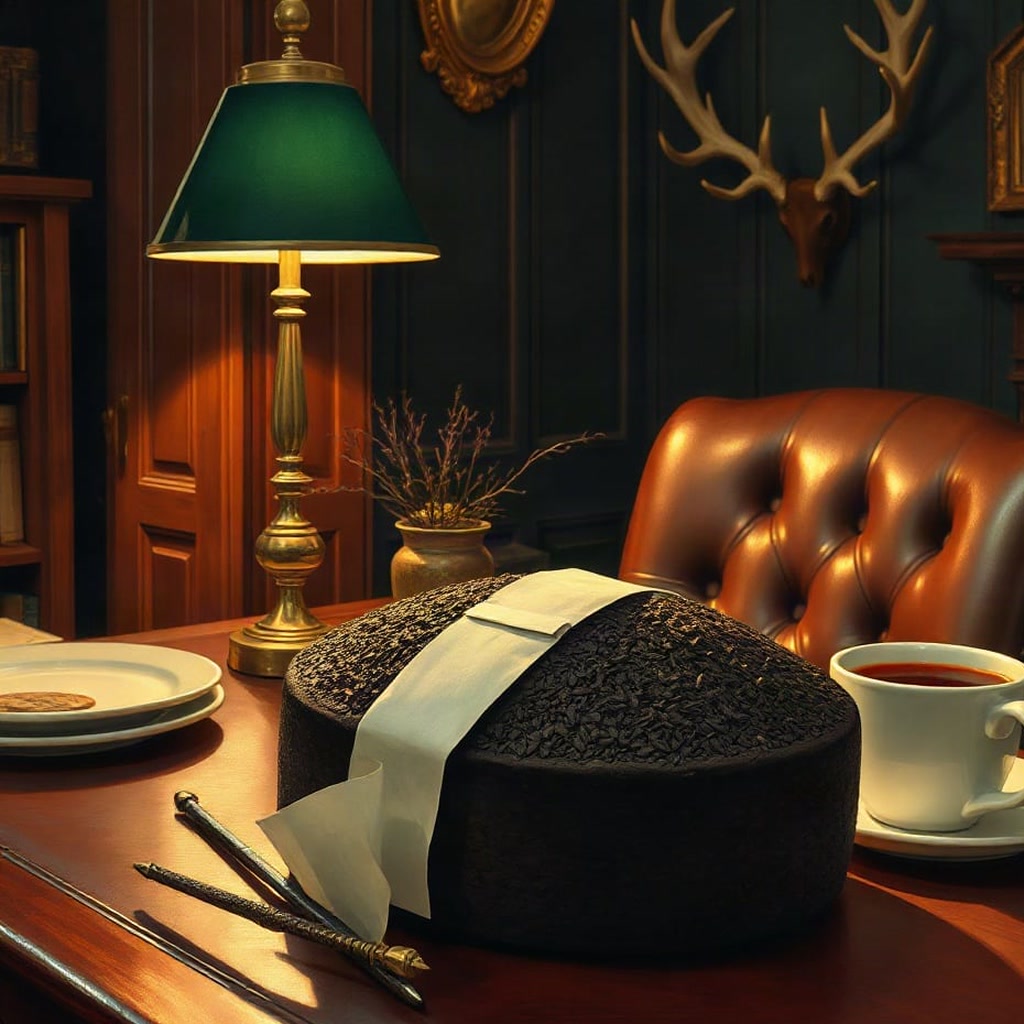
Pu-erh comes from Yunnan in south-west China, made from the large-leafed Assam variety of the tea plant and, unusually, meant to change after it is made. Most of it is pressed into round cakes, bricks or small nests, and a good raw cake gets better — and dearer — with every year it is kept. Under China's national standard, only tea from Yunnan may carry the name.
Raw and ripe
Raw pu-erh (sheng) is pressed and left to age naturally. Young, it is bright, floral and bracing, sometimes fiercely bitter; over decades it mellows towards leather, dried fruit and camphor.
Ripe pu-erh (shou) is fermented deliberately in warm, damp heaps before pressing, a process developed in the 1970s to reach in months something like the character of an aged raw tea. Dark, smooth and earthy, with almost no bitterness. If you have only ever had one pu-erh, it was probably this.
Breaking the cake
Work a tea knife into the side of the cake, then twist and lever, a little at a time and in several places, until a piece comes away. Go gently: crushed leaves make an astringent cup. And point the knife away from the hand holding the cake; Teasenz makes a point of it, and so shall we.
The rinse
Pour hot water over the leaf, wait, and throw it away: five seconds for loose or small leaf, longer for a tightly pressed piece, but no more than thirty. It loosens the pressed leaf, warms the pot and washes off any dust from storage.
How to brew it
These are the figures of Teasenz, a Chinese tea shop that sells across Europe.
Water: just boiled, 95 to 100°C. Some young raw pu-erh is happier a little cooler.
Gongfu: 5 to 8 grams in a gaiwan or small pot of about 120 ml. Ten seconds for each of the first three infusions, then five seconds more for every one after. Carry on until the tea runs thin, then give the leaves a last two-minute steep.
Western: 5 grams to 350 ml in a teapot or a mug with a strainer, two to three minutes for the first infusion and about a minute more each time after. The same leaves give three to five pots.
Grandpa style: 3 to 5 grams loose in a big mug or glass of boiling water, no timing at all, and top it up when it grows too strong. Ripe pu-erh is very forgiving made this way, and goes rather well in a flask on a cold walk.
How to brew pu-erh tea, raw and ripe: questions
Do you rinse pu-erh tea?
Yes. A rinse of five to thirty seconds with hot water — short for loose leaf, longer for a tightly pressed piece — loosens the leaves and washes off storage dust. Pour it away and brew.
What temperature water for pu-erh?
Just boiled, 95 to 100°C. Some young raw pu-erh does better a little cooler.
What is the difference between raw and ripe pu-erh?
Raw (sheng) pu-erh ages slowly and naturally and starts out bright and bitter. Ripe (shou) pu-erh is fermented deliberately before pressing and is dark, smooth and earthy from the start.
Source: Teasenz, How To Brew Pu Erh Tea The Right Way checked against the source
More tea guides
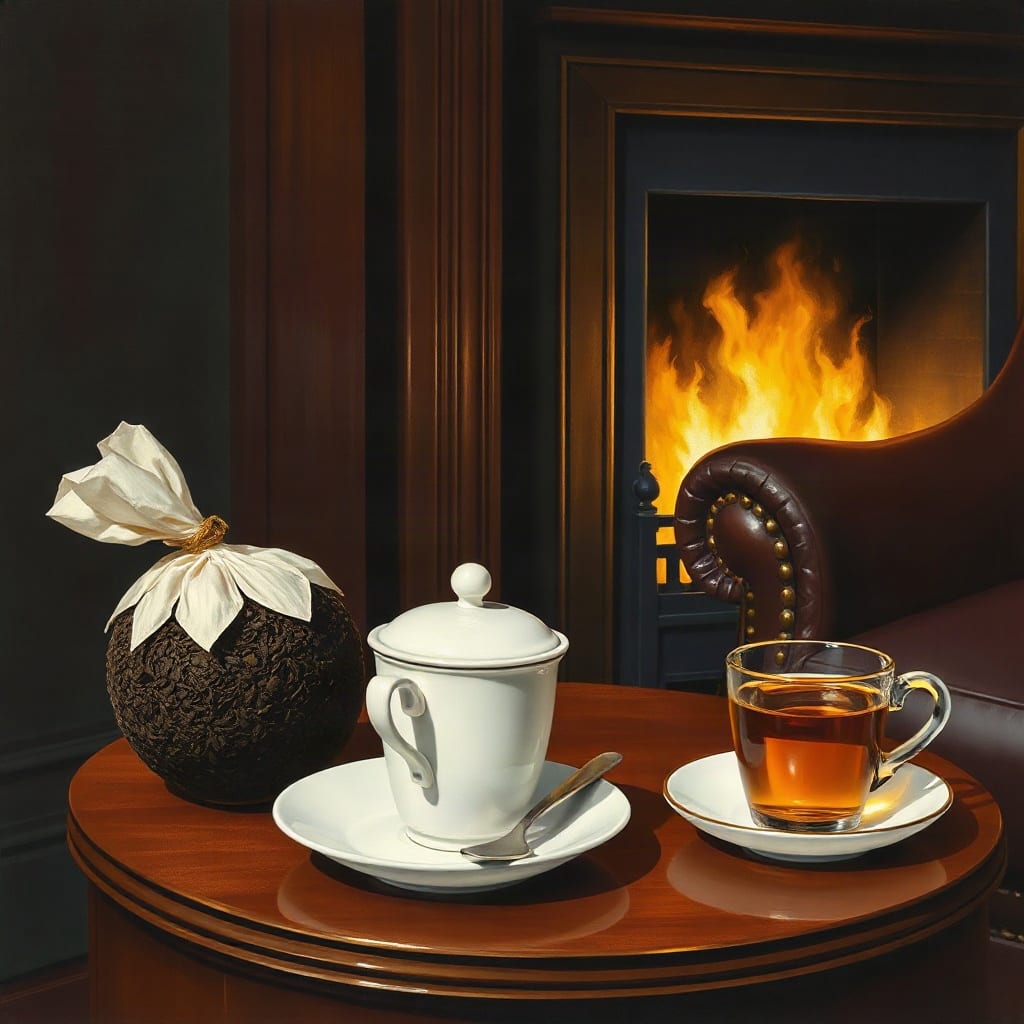
How to brew a pu-erh ball
A pu-erh tea ball is a single serving of raw tea pressed hard into a sphere — xiao qiu, a "small ball", in Chinese. Rinse it, give it a long first steep while it opens, then shorter ones: the water, ratios and times from the shops that sell them.
How to make a proper cup of tea
The British cup of tea, made properly: freshly drawn water at a full boil, three to five minutes for a strong black blend, and the milk question settled — or at least explained. With the Royal Society of Chemistry's method and the ISO standard for comparison.

Afternoon tea or high tea?
Afternoon tea is sandwiches, scones and cake at about four, invented by a duchess with time on her hands. High tea is a working family's evening meal at six. Hotels have spent decades muddling the two; here is which is which, and when each one is taken.